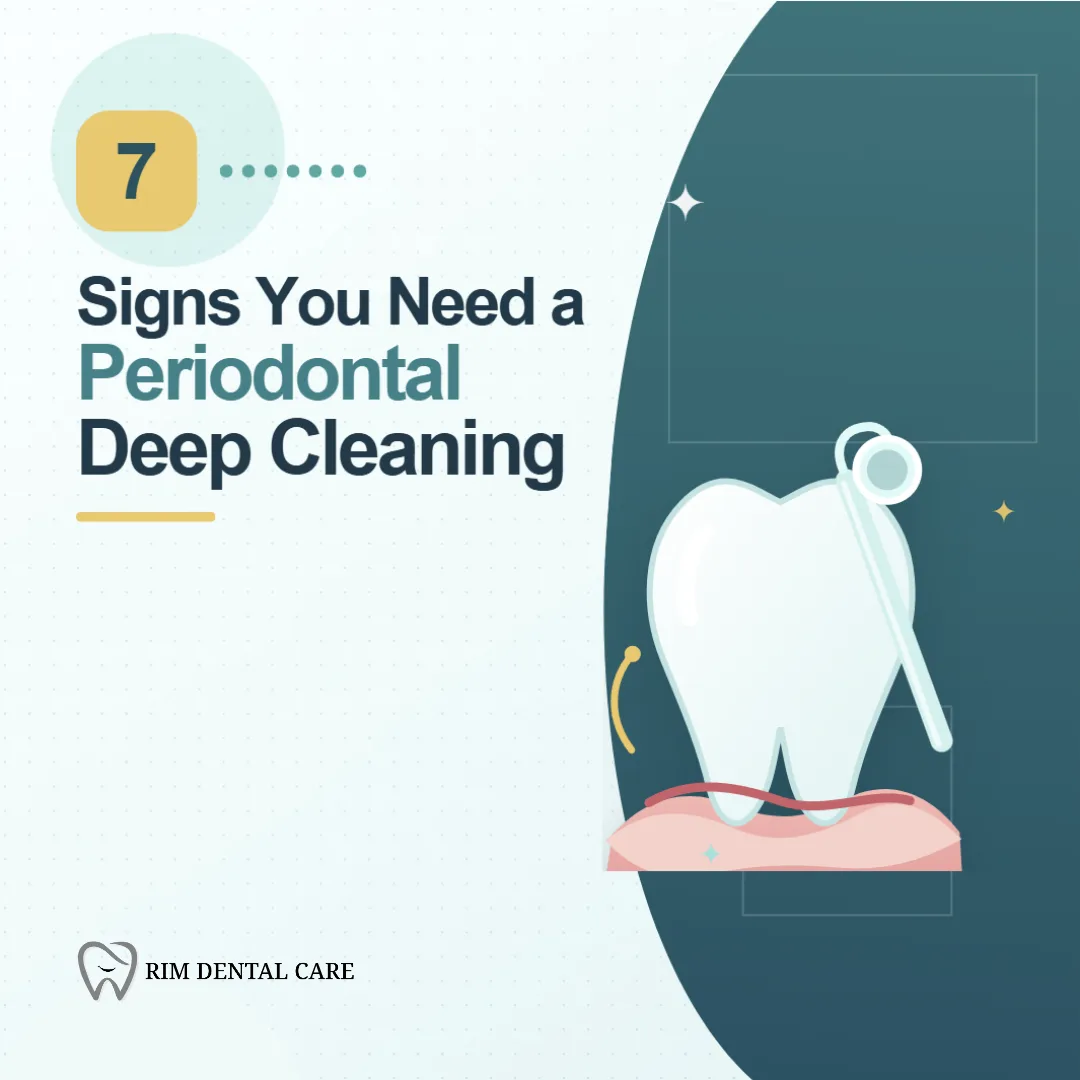
Many people wake up worried about bad breath or bleeding gums. They wonder if their oral hygiene can still help. They want clear signs that point to gum disease or periodontitis. Periodontists can help with answers.
One clear fact stands out, visible tartar buildup on teeth often means plaque buildup has hardened. This buildup can lead to gingivitis and then periodontitis without deep cleaning. Here you will know about tartar, gum recession, scaling and root planing, and deep cleaning.
Many people overlook the signs of gum disease until it becomes severe. Ignoring these indicators can lead to more significant dental issues, making timely action crucial for maintaining oral health.
Persistent bad breath, or halitosis, often signals the need for a periodontal deep cleaning. This condition can stem from gum disease or plaque buildup that regular brushing can't eliminate.
If someone experiences breath that doesn't improve with standard oral hygiene, they should take notice. This symptom may indicate underlying issues like tartar accumulation and inflamed gums.
Chronic bad breath could also result from red, swollen gums. Such indicators highlight deteriorating oral health and suggest an urgent need for dental care. Deep cleaning procedures help eliminate this issue by removing harmful bacteria and plaque on the teeth and around the gumline. Taking action early can prevent more serious problems down the road.
Swollen or bleeding gums signal gum disease. These symptoms often appear with chronic conditions like periodontitis. Red and tender gums show that inflammation is present. People may experience bleeding while brushing or flossing their teeth. This chronic bleeding indicates the need for deep cleaning treatment.
Gum swelling suggests a buildup of plaque and tartar along the gumline. If left untreated, this can lead to further complications, including gum recession and tooth decay. Maintaining good oral hygiene becomes crucial in preventing advanced stages of periodontal disease.
A professional examination may be necessary to assess the extent of damage and determine an appropriate course of action like scaling and root planing.
Gum recession occurs when gums pull away from teeth, exposing the roots. This issue signals deteriorating gum tissue and bone. Receding gumlines make teeth appear longer. Patients should not ignore this sign as it indicates potential periodontal disease.
Visible tartar buildup often contributes to gum recession. Bleeding gums during brushing or flossing are common symptoms linked to this condition. These signs suggest that a professional deep cleaning treatment is necessary for better dental health. Taking action early can help prevent further damage and protect one's smile.
Tender or painful gums can signal a serious issue. These symptoms often indicate gum disease, specifically periodontitis. Sore gums may arise due to plaque buildup and tartar on teeth. Swollen tissues around the gums worsen discomfort and lead to bleeding during brushing or flossing.
Ignoring pain in the gums can allow gum recession to progress further. This condition exposes tooth roots, increasing sensitivity and risk of decay. For those experiencing these symptoms, seeking professional dental care is crucial.
A periodontal deep cleaning might be necessary to restore oral hygiene and health. Prompt intervention helps prevent further deterioration of dental health, ensuring longevity for one’s smile.
Loose or shifting teeth signal a serious problem. Periodontal disease often causes this issue as it progresses. Gum recession and deteriorating bone can lead to tooth instability. A deep cleaning treatment, such as scaling and root planing, may be necessary for effective healing.
Chronic bleeding gums during brushing or flossing further highlight the urgency for care. With proper dental hygiene practices and professional intervention, individuals can restore their gum health and prevent further complications related to periodontitis.
Loose or shifting teeth often indicate a serious issue. Pus between the teeth and gums shows infection in the periodontal tissue. This symptom suggests that gum disease, like periodontitis, could be worsening. When this happens, deep cleaning becomes essential for effective treatment.
Persistent pus means the body is fighting bacteria that cause plaque buildup and tartar accumulation. Ignoring this sign can lead to further dental problems, including tooth decay.
People with swollen or bleeding gums may also notice pus during brushing or flossing. Professional care through scaling and root planing will help remove bacteria and restore oral health.
Pus between teeth and gums often indicates gum disease. This infection can lead to changes in how teeth fit together. As periodontal disease progresses, it may cause teeth to shift or become loose. These shifts affect a person’s bite significantly.
Patients with receding gums may notice their bite altering as well. Exposed roots can make it difficult for the upper and lower teeth to align correctly. Gum recession is a clear sign of deteriorating periodontal health that requires deep cleaning interventions like scaling and root planing treatments. Ignoring these changes can lead to further complications such as tooth decay or even loss of teeth.
Taking action helps maintain dental health. A visit to the dentist is crucial if someone notices symptoms like bleeding gums or gum recession. Chronic bleeding, especially when brushing or flossing, indicates potential gum disease. This condition may require deep cleaning treatment.
Loose or shifting teeth also signal a need for professional care. Scaling and root planing can restore oral hygiene and address tartar buildup on teeth. Swollen, tender gums often suggest that an individual needs intervention as well. Ignoring these signs can lead to serious issues like periodontitis and tooth decay, so addressing them promptly is essential.
Bleeding gums after brushing or flossing is a clear sign. Bad breath that does not go away is another sign. Gum recession, loose teeth, heavy tartar, and plaque buildup also point to a problem. These signs may mean gum disease, gingivitis, or periodontitis.
Periodontal deep cleaning, also called scaling and root planing, removes tartar and plaque below the gum line. It helps with plaque removal and lowers the risk of tooth decay. It can slow gum disease and stop gum recession.
See your dentist if you have bleeding gums, bad breath, or visible tartar buildup. Make an appointment for gum recession or loose teeth. Get checked if your oral hygiene does not stop plaque buildup.
Deep cleaning can treat early gum disease and gingivitis, or gum inflammation. It can slow periodontitis and reduce the chance of tooth decay. You may need more dental care after the cleaning.
Yes. Keep strong oral hygiene at home. Brush and floss each day to prevent tartar buildup. Keep follow up dental care so plaque removal stays effective.
Tell us a little about what you need — we'll be in touch shortly.
6028 WORTH PKWY STE 101, SAN ANTONIO, TX 78257-5071, United States
Hi! I'm Tooth fairy! Your AI Assistant Ask me anything