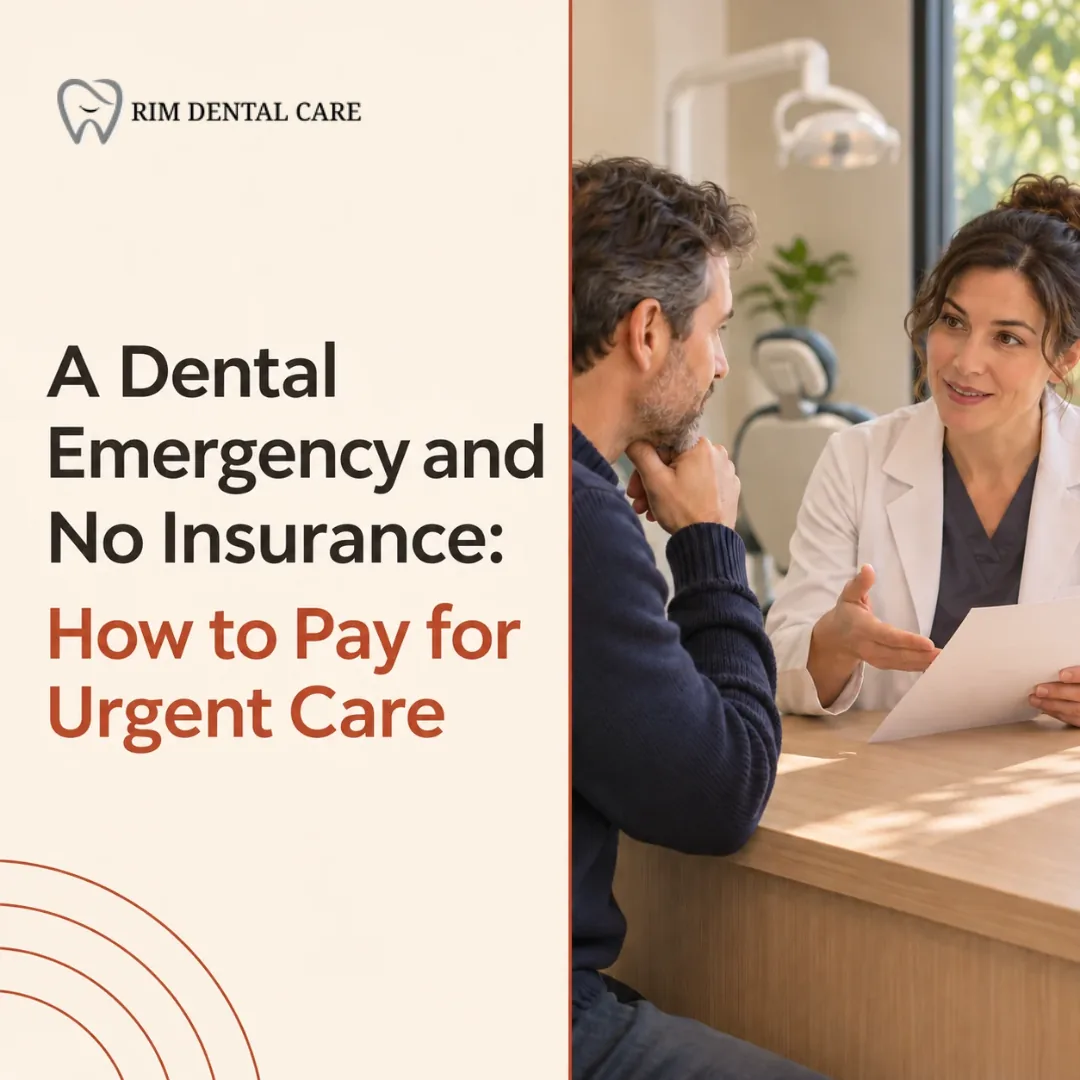
A sudden toothache, broken tooth, or swollen face can turn an ordinary day upside down. People searching for an emergency dentist no insurance may fear the bill as much as the pain.
Hospital emergency rooms can ease pain and treat some infections, but they often cannot fix the tooth. Here you will know about the health steps dental patients can take, low-cost care, and ways to pay.
A dental emergency can happen suddenly. It often involves serious pain, bleeding, or a knocked-out tooth.
Some dental problems need prompt care, even if they seem small. Patients may first notice pain, swelling, bleeding, or a damaged tooth.
Dental symptoms can become urgent fast, especially when swelling or bleeding starts. A patient may first notice trouble swallowing, a loose tooth, or pain that keeps getting worse.
First, stay calm. Pain can make anyone feel lost. Focus on managing the discomfort as best as you can. Use over-the-counter pain relievers if needed. Next, gather your information before seeking care. Write down what happened and any symptoms you're feeling. This will help the dentist understand your situation quickly.
Dental pain can make it hard to eat, sleep, or focus. Simple steps may ease discomfort while a person arranges urgent dental care.
Patients without insurance need to act quickly. Gathering information can help ease the stress of a dental emergency. Here are key steps to take:
Taking these steps will prepare patients for a smoother experience at the dentist's office.
Finding dental care without insurance can feel like a tough puzzle. Luckily, many people find help at community health clinics or dental schools. They offer low-cost services and treat patients with care. It's a great way to get urgent treatment while saving money.
Community health clinics offer affordable dental care. Many of these clinics focus on helping those without insurance. They often charge a sliding scale fee based on income, making it easier for people to get the help they need.
These clinics provide urgent care for dental emergencies. Patients can receive treatment for problems like toothaches or broken teeth. Staff at these centers are trained professionals who understand the importance of quick attention and compassionate service.
Sliding scale and low-cost dental programs help those without insurance get the care they need. These programs adjust costs based on income, so more people can afford treatment. They offer a range of services, from check-ups to emergency care.
Many community health clinics also provide these options at reduced rates. Patients can find trained staff who understand their financial situation and work with them to find affordable solutions. Exploring these resources opens doors for urgent dental help during tough times. Next, let’s look at payment solutions for uninsured patients.
Dental schools and training clinics offer affordable care. Students, under the guidance of experienced teachers, perform dental procedures. This setup allows patients to receive treatment at a lower cost.
Services may include exams, cleanings, fillings, and extractions. Patients can benefit from high-quality care while helping students learn. It’s a great option for those without insurance seeking urgent help.
Uninsured patients have options for dental care. Payment plans can help spread out costs, making it easier to manage.
Payment plans can help ease the strain of dental bills. Many clinics offer these plans, allowing patients to break down costs into smaller payments over time. Financing options may also be available through third-party lenders. These lenders often provide quick approval and flexible terms.
Having a plan in place helps manage expenses during a dental emergency. It reduces stress and makes urgent care more accessible. Next, exploring dental discount plans can also lead to savings for those without insurance.
A dental discount plan may reduce a dentist’s fee, but it is not insurance.
| What to know | How it may help | What to check |
|---|---|---|
| It usually has a membership fee. | Members may get lower fees from participating dentists. | Ask which dentists accept the plan. |
| Savings can vary by service and dentist. | It may lower the cost of urgent treatment. | Request the plan’s fee for the needed care. |
| Example: A patient calls before joining. | The patient confirms the dentist accepts the plan. | Ask when discounts can start. |
Call a dentist or urgent dental clinic right away. Explain that you have no insurance, and ask about the cost of an exam and urgent care. For trouble breathing or swallowing, go to the emergency room now.
Ask the dental office about a payment plan, a lower cash price, or a discount dental plan. Some offices also accept health care credit cards. Check the fees and terms before you agree.
Call a community health clinic or dental school. They may offer urgent care at a lower cost. Ask how soon they can see you and what the visit may cost.
An emergency room can help with severe pain, swelling, fever, or a serious injury. It may treat an infection or help manage pain, but it may not fix the tooth. Follow up with a dentist as soon as you can.
Tell us a little about what you need — we'll be in touch shortly.
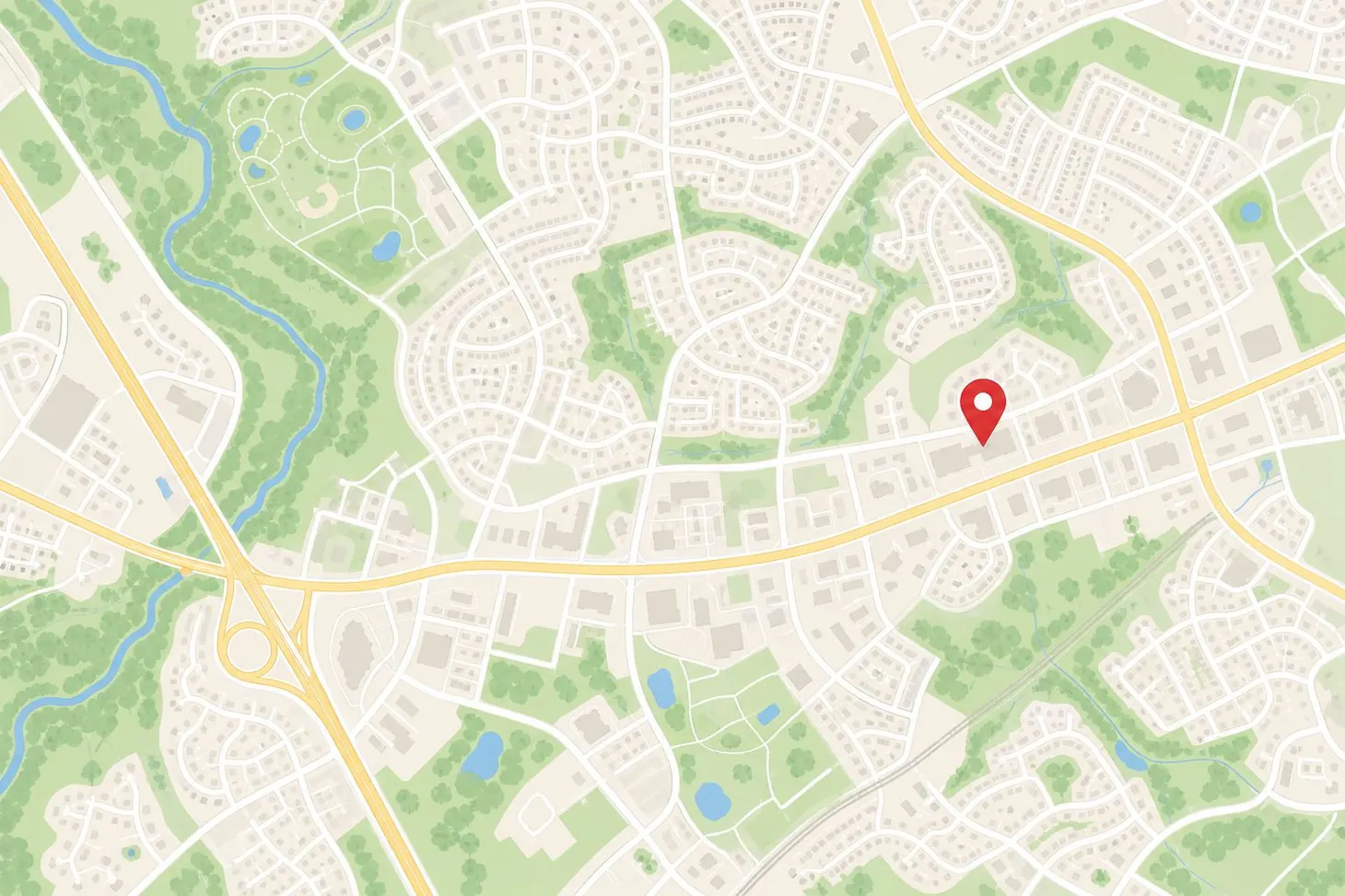
6028 WORTH PKWY STE 101, SAN ANTONIO, TX 78257-5071, United States
Hi! I'm Tooth fairy! Your AI Assistant Ask me anything