Many parents worry after a child loses a baby tooth too early. They fear crowding, poor tooth alignment, or costly orthodontics later. They want clear facts from dentists and pediatric dentistry experts.
They look for simple dental care steps and treatment options. One fact is clear, space maintainers keep room for permanent teeth as they erupt.
Here you will understand how fixed and removable space maintainers work and how they differ in design, maintenance, comfort, and effectiveness. You will learn about their pros and cons for children, daily care tips, and when to see the dentist.
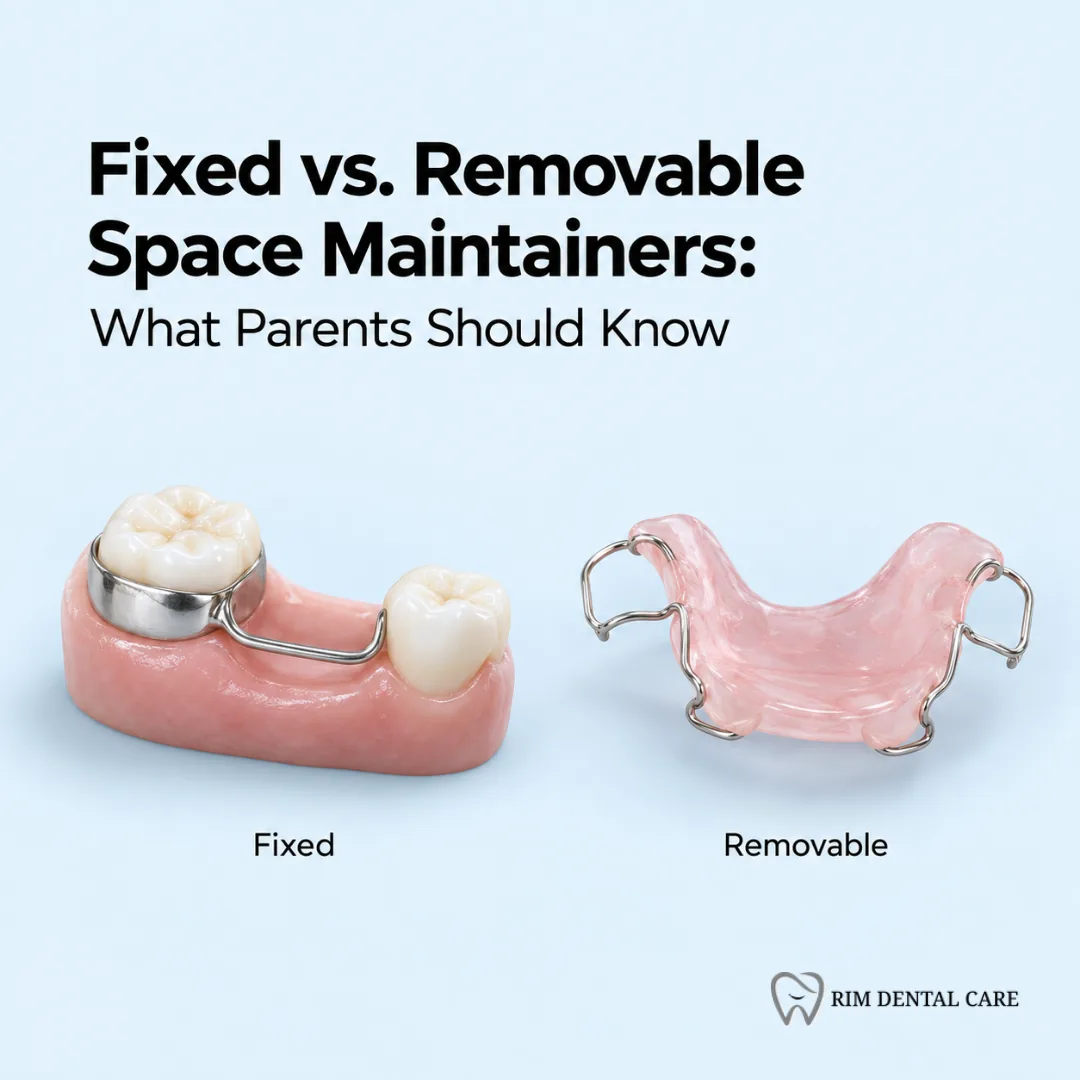
Fixed space maintainers stay in place permanently until the dentist removes them. Removable space maintainers can be taken out for cleaning and eating, offering flexibility for children.
Fixed space maintainers attach directly to a child's teeth. Dentists bond these appliances in place to prevent shifting after tooth loss. They stay in the mouth until the dentist removes them or they are no longer needed.
Removable space maintainers, on the other hand, can be taken out by children or parents. These devices help hold gaps open for future tooth eruption and alignment. Children wear them during the day and remove them for cleaning or eating. Both types support oral health while promoting proper alignment as permanent teeth come in.
Fixed space maintainers attach directly to a child's teeth. They typically consist of metal bands and wires. These designs create stability for proper tooth alignment, especially during the crucial growth development stages.
Removable space maintainers, in contrast, are designed like retainers. Children can take them out for cleaning or eating, which may increase comfort.
Maintenance varies significantly between the two types. Fixed options require regular dental visits to ensure they remain functional and effective. Removable ones need daily care; parents should encourage their children to brush them regularly and store them safely when not in use.
Comfort levels also differ; fixed maintainers might cause some discomfort at first but generally become less noticeable over time while removable versions offer flexibility but can be lost easily if not monitored properly.
The effectiveness of both types depends on consistent use and patient cooperation throughout pediatric dentistry procedures to prevent future tooth loss or crowding issues.
Fixed space maintainers offer strong support for children’s teeth. These devices keep spaces open until new teeth erupt. They stay in place, which can help prevent crowding and ensure proper tooth alignment. However, they require regular dental visits for check-ups and adjustments.
Removable space maintainers provide flexibility. Children can take them out when eating or cleaning their teeth. This often makes daily care easier. Still, kids must remember to wear them consistently for effectiveness.
Missing a day might affect oral health by allowing gaps to close prematurely. Each type has its advantages and disadvantages that parents should consider carefully.
Caring for a child’s space maintainer requires daily attention. Parents should help their children brush around these dental devices to keep them clean and in good shape.
Daily care for a child’s space maintainer is essential. Parents should encourage their children to brush their teeth at least twice a day. This includes brushing around the space maintainer. Flossing daily is also crucial to prevent food buildup and cavities.
Regular dental check-ups are important too. Dentists can ensure that the space maintainer functions well and stays clean. Parents should watch for any signs of discomfort or changes in alignment, as these may indicate the need for adjustments or replacement of the dental appliance.
Proper oral health routines will support long-term dental success for children during this critical phase of tooth eruption and alignment.
A child with a fixed or removable space maintainer should visit the dentist regularly. Dentists can check the condition of the dental appliance and ensure it fits properly. Regular appointments help monitor tooth alignment as permanent teeth start to erupt. Any discomfort, unusual wear, or damage needs immediate attention from a dentist.
Parents should schedule visits at least every six months for routine check-ups. These appointments play a crucial role in maintaining oral health. If parents notice any issues like loosening of the retainer or pain, they must call the dentist promptly. Early intervention can prevent further complications related to tooth loss and crowding in pediatric dentistry.
Following a visit to the dentist, parents can play an active role in supporting their child’s long-term dental health. Maintaining proper oral hygiene is essential for children with space maintainers.
They should brush twice daily and floss regularly. Parents can supervise this process to ensure effective cleaning.
Regular check-ups at the dentist help monitor tooth alignment and overall oral health. Dentists often provide specific advice tailored to children's needs, encouraging healthy habits that last a lifetime.
By promoting consistent dental care routines, parents protect their child's future smile from issues like tooth loss or crowding, which may arise during critical stages of tooth eruption.
Fixed ones attach to nearby teeth and stay in place. Removable ones you can take out for cleaning. Both are dental appliances. Dentists use them in pediatric dentistry after tooth loss to help tooth eruption, alignment, and space preservation.
If a child loses a tooth early, a dentist may place a space maintainer to hold the gap until the adult tooth erupts. This step helps prevent crowding and protects oral health.
Fixed devices stay in place, so children must brush well and visit the dentist for checks and dental procedures. Removable devices come out for cleaning and can look like retainers used in orthodontics.
They can irritate gums or change tooth alignment if not fitted well, and they can lead to crowding if ignored. These devices are usually temporary solutions, and orthodontics may be needed later to correct problems.
Dentists decide by the child’s age, which tooth is missing, and the child’s habits. They pick the best dental appliance for space preservation and long term tooth alignment. Parents get a care plan from pediatric dentistry that may include follow up dental procedures.
Tell us a little about what you need — we'll be in touch shortly.
6028 WORTH PKWY STE 101, SAN ANTONIO, TX 78257-5071, United States

Hi! I'm Tooth fairy! Your AI Assistant Ask me anything