Many parents worry after a child has a pulpotomy. The child may have pain, sensitivity, or trouble chewing. That worry feels heavy at home and at bedtime.
A pulpotomy removes the sick part of a tooth and saves the rest. It often works well and helps avoid extractions. Here you will understand the aftercare steps for pain, swelling, eating, and brushing.
Kids often feel sleepy and a bit wobbly right after dental treatment. Parents should watch their child closely as the numbness wears off to keep any surprises at bay.
Staff watches the child closely after anesthesia. Nurses check breathing, color, and pulse. The child wakes in a calm recovery room. Staff notes reaction to pain medicine and any nausea.
Most children leave the clinic within 30 to 60 minutes if they wake well and show stable signs. Pediatric dentistry teams give clear aftercare steps and a contact number for questions.
Parents should sit near and talk softly to help the child wake. They should watch for heavy bleeding, labored breathing, or extreme drowsiness. Offer small sips of water only after full alertness.
Do not let the child chew hard foods until the dentist says it is safe. Call the dental office or go to the emergency room for trouble breathing or uncontrolled bleeding.
After a pulpotomy, eating and chewing become tricky for kids. Dentists recommend avoiding hard foods for a few days. This helps protect the treated tooth while it heals. Soft foods are the best choice during recovery. Think of mashed potatoes, yogurt, or applesauce.
Children should avoid sticky treats too. Chewy candies can pull on teeth and cause discomfort or damage. It is also wise to steer clear of very hot or cold items at first to prevent sensitivity issues.
Parents should guide their children to chew on the opposite side if possible, which will help ease any discomfort during this time in dental care after treatment.
Children may feel some pain after a pulpotomy. Parents can help by offering over-the-counter pain relief to ease their child’s discomfort.
Children often experience some discomfort after a pulpotomy. Parents can help ease their child's pain with several effective options.
Swelling and tenderness can make recovery uncomfortable for kids after a pulpotomy. Parents should apply a cold pack to the cheek near the treatment site. A few minutes on, then off helps reduce inflammation. This simple step provides soothing relief and keeps discomfort at bay.
Pain management plays an important role too. Over-the-counter medicines are often effective in lowering pain levels. Ibuprofen or acetaminophen will help ease sensitivity as well. Always follow dosage instructions for safety; it's crucial to ensure your child feels better quickly while recovering from their dental treatment.
Keeping your child's mouth clean after a pulpotomy is vital. Gentle brushing keeps bacteria at bay and helps with recovery.
Gentle brushing techniques play a crucial role in maintaining your child's oral health after pulpotomy. Proper care helps prevent discomfort while keeping the mouth clean.
These techniques support recovery and promote overall dental care in children’s dentistry after pulpotomy treatment.
Saltwater rinses can help your child after a pulpotomy. They ease discomfort and promote healing. Mixing about half a teaspoon of salt in eight ounces of warm water works well. Your child should swish this mixture gently around their mouth for 30 seconds, then spit it out.
A parent shared their experience with this method. Their child felt less swelling and soreness after using the rinse daily for several days post-treatment. It’s simple and effective! Just make sure they avoid swallowing the saltwater to keep things safe and sound during recovery.
After a pulpotomy, your child may feel some discomfort. This is normal and can usually be managed with over-the-counter pain relief. You might notice some swelling or sensitivity as well, but it should improve within a few days.
Encourage your child to eat soft foods for the first few days. Avoid sticky or hard snacks that could hurt their healing tooth. Keep up with good oral hygiene by helping them brush gently around the treated area.
Yes, keep an eye out for severe pain that doesn't go away, excessive swelling, or fever. If you notice any of these symptoms, contact your dentist right away; they’ll want to check on things.
It’s best to wait at least 48 hours before returning to contact sports or rough play. Their mouth needs time to heal properly without added risk of injury; safety comes first!
Tell us a little about what you need — we'll be in touch shortly.
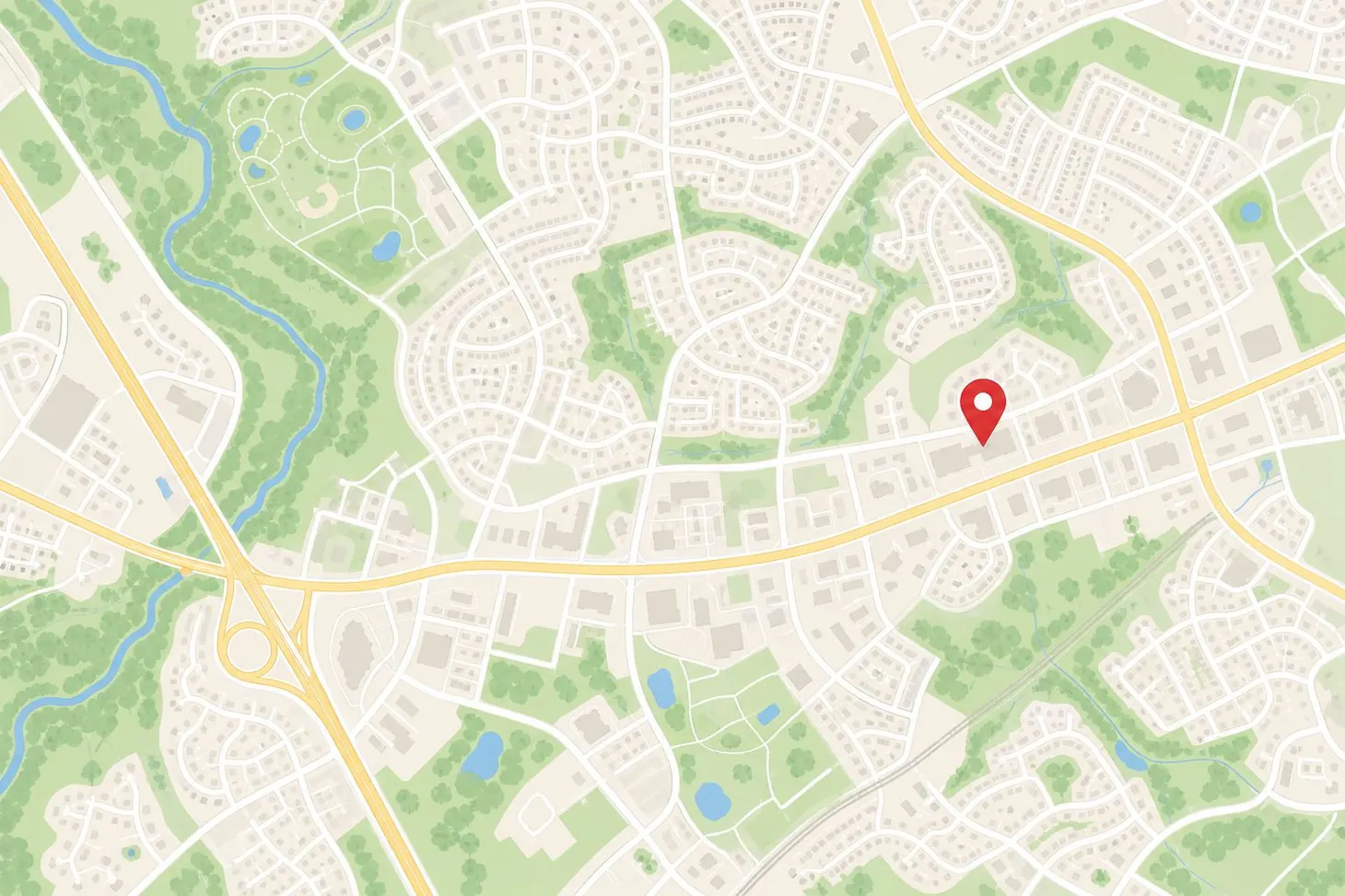
6028 WORTH PKWY STE 101, SAN ANTONIO, TX 78257-5071, United States
Hi! I'm Tooth fairy! Your AI Assistant Ask me anything