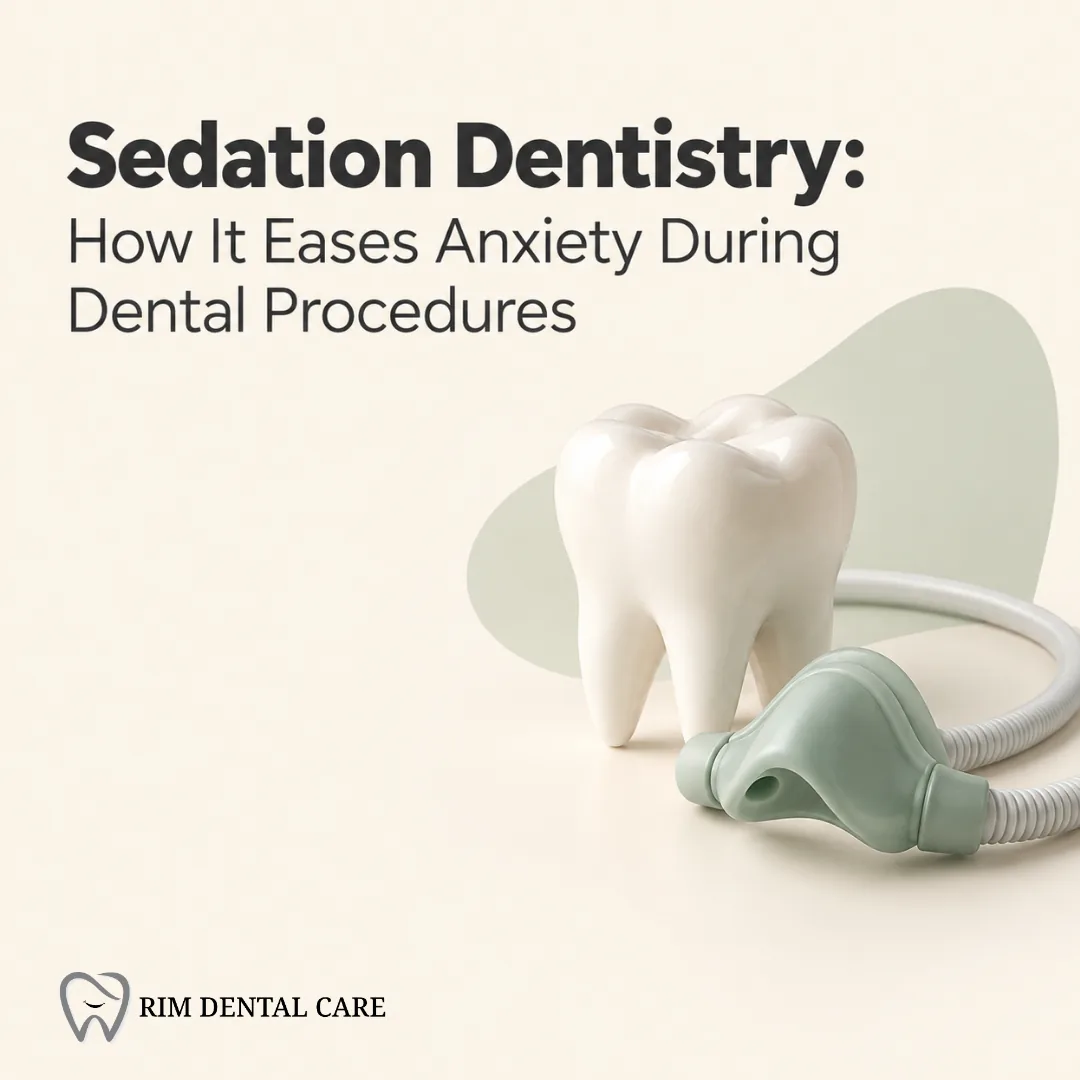
Many people feel anxious before dental procedures. Fear of pain, a strong gag reflex, or bad past visits can stop them from getting care. Sedation dentistry can ease that anxiety and help patients sit still. It uses medication and relaxation methods to add comfort and pain relief.
One fact is clear, conscious sedation and inhalation sedation like nitrous oxide work fast. They lower fear and help with pain management and anxiety management. Here you will know sedation techniques, oral sedation, anxiolytics, and what to expect before, during, and after treatment.
Sedation dentistry helps ease dental anxiety by promoting relaxation and comfort during procedures. This approach allows patients to receive the necessary care without feeling overwhelmed or scared.
Techniques like nitrous oxide, also known as laughing gas, provide quick stress relief. Many patients report that inhalation sedation effectively reduces their fear of dentistry. Patients often experience pain relief while remaining aware of their surroundings through conscious sedation. This technique enables them to communicate with the dentist if needed but keeps anxiety at bay.
First-hand experiences show that many individuals feel calmer and more relaxed throughout their treatment, leading to a better overall dental visit and improved oral health outcomes.
Dentists use various sedation methods to help patients feel relaxed during procedures. Nitrous oxide, commonly known as laughing gas, is a popular choice. It takes effect quickly and wears off fast. Patients stay awake but feel calm and unbothered by the treatment.
Oral sedation involves taking a pill before the appointment. This method helps patients relax even more than nitrous oxide does. Some people may also receive intravenous (IV) sedation for deeper relaxation.
Each technique focuses on patient comfort and pain relief while keeping anxiety at bay. First-hand experience shows that these methods significantly reduce stress during dental visits, making procedures less intimidating for many individuals.
Sedation dentistry offers many benefits for patients undergoing dental procedures. It enhances patient comfort by easing anxiety and providing pain relief. Common methods include nitrous oxide, which helps calm nerves quickly, and conscious sedation that allows patients to stay awake but relaxed during treatment.
Patients can expect a safe experience with proper monitoring throughout the procedure. Dentists carefully evaluate each patient's health history before choosing a sedation method. After treatment, individuals may feel groggy or disoriented due to the sedatives but will receive clear aftercare instructions for recovery. This approach not only reduces stress but also minimizes the gag reflex often triggered during procedures.
Sedation dentistry helps ease anxiety during dental procedures. It supports anxiety management and boosts patient comfort. It uses relaxation techniques and medicine to calm you before care.
Sedation aids stress reduction by calming the body and mind. It can reduce the gag reflex with gentle breathing and focused care. Inhalation sedation, such as nitrous oxide, can act fast and wear off quickly.
Yes, conscious sedation keeps you awake but calm. It gives pain relief and helps with anxiety management. Dentists watch your vitals to keep care safe.
People with fear or a strong gag reflex should ask about sedation. Dentists may use inhalation sedation, conscious sedation, or other relaxation techniques. They pick methods that improve patient comfort and lower stress.
Tell us a little about what you need — we'll be in touch shortly.
6028 WORTH PKWY STE 101, SAN ANTONIO, TX 78257-5071, United States
Hi! I'm Tooth fairy! Your AI Assistant Ask me anything