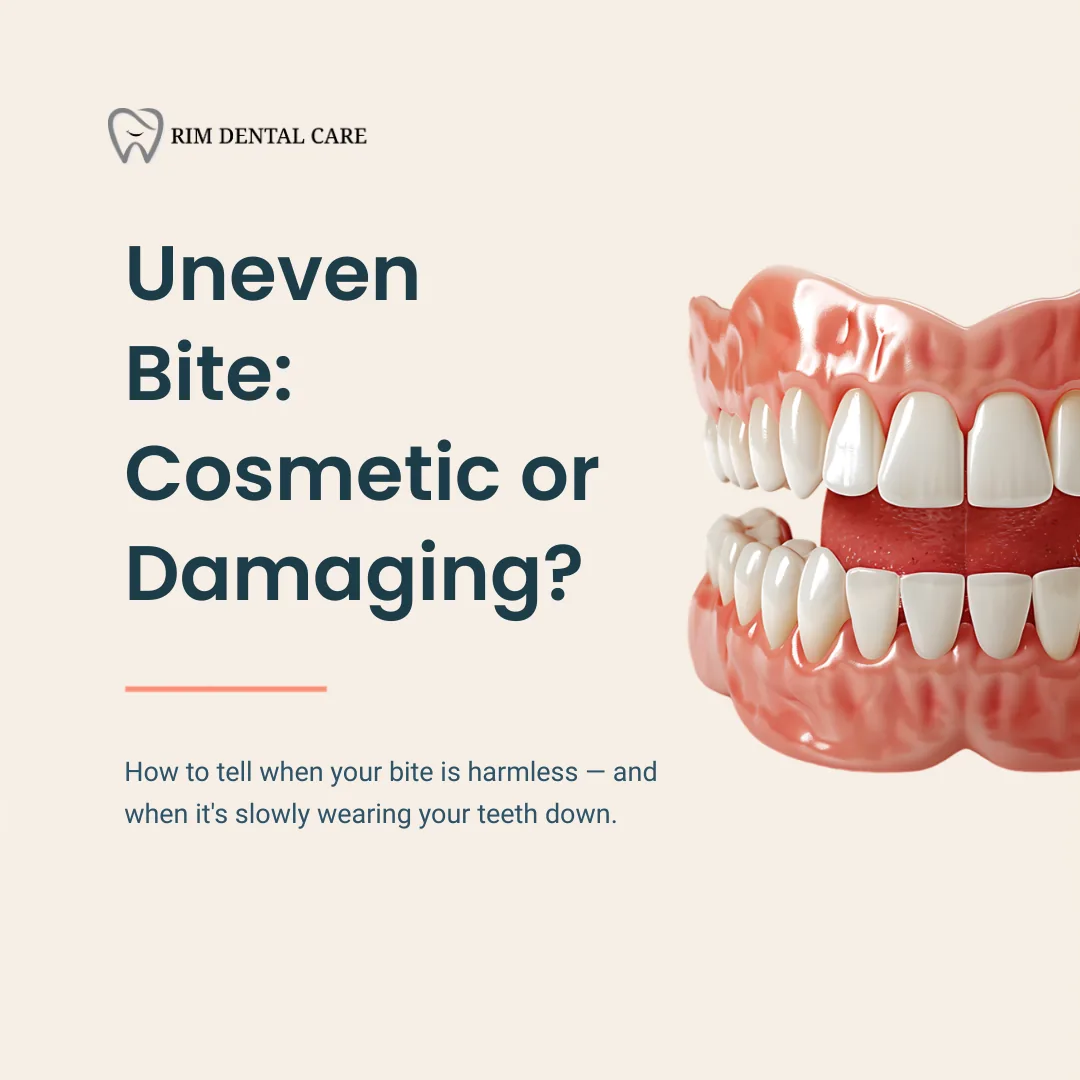
Many people notice a new chip, a sore jaw, or a crown that feels too high. They may think the issue is only cosmetic. An uneven bite, called malocclusion, can make smiles look off. It can also harm dental health and cause enamel erosion, tooth wear, and extra pressure on crowns and fillings.
One key fact is that an uneven bite can need either a simple bite adjustment or months of orthodontics. Here you will know the signs of enamel wear, tooth mobility, gum stress, and treatment options.
An uneven bite, also known as malocclusion, can lead to more than just cosmetic issues. Signs of damage include increased tooth wear and enamel erosion. Misaligned teeth can chip or weaken due to uneven pressure during biting.
Some individuals may notice that their fillings or crowns feel uncomfortable; this indicates added stress on dental work. Teeth grinding often worsens these issues by placing extra pressure on natural teeth and restorations. Individuals may experience higher tooth mobility as a result of improper alignment.
While some may only see a cosmetic concern, the risk of functional and structural damage remains significant with an uneven bite. Dentists play a crucial role in evaluating these risks before they escalate into costly complications for dental health.
Dentists offer several treatment options for restoring a balanced bite. A simple bite adjustment can correct minor misalignments quickly. For more severe cases, orthodontics might be necessary; this often involves braces or aligners that gradually shift teeth into proper alignment. These treatments help prevent tooth wear and enamel erosion.
Materials like crowns or fillings may require adjustments if they do not align properly with the bite. A dentist will evaluate how pressure affects these dental structures before damage escalates.
Regular check-ups ensure early detection of any issues related to malocclusion and help maintain overall dental health. With timely intervention, individuals can avoid further complications such as tooth mobility and gum disease while improving their smile design significantly.
An uneven bite is tooth misalignment or malocclusion. It alters jaw alignment and affects dental aesthetics. It can show as bite disorders that change how teeth meet.
An uneven bite is cosmetic when it affects dental aesthetics but not dental health. You may see tooth misalignment or poor alignment. You feel little pain and no tooth wear.
It damages teeth when it creates extra pressure on teeth. That pressure causes tooth wear, enamel wear, enamel erosion, or tooth erosion. It can lead to tooth mobility and gum disease. It harms oral health.
Dentists use orthodontics and bite adjustment to fix alignment. They offer cosmetic dentistry for looks and dental treatment for damage. They may use braces, splints, or reshaping.
Bite disorders can cause pain in the jaw and loose teeth. They can speed tooth wear and change chewing. They can harm oral health and lower dental aesthetics.
See a dentist early for checkups. Ask about orthodontics or bite adjustment. Use timely dental treatments to stop enamel erosion and tooth erosion. Keep good hygiene to protect teeth and gums.
Tell us a little about what you need — we'll be in touch shortly.
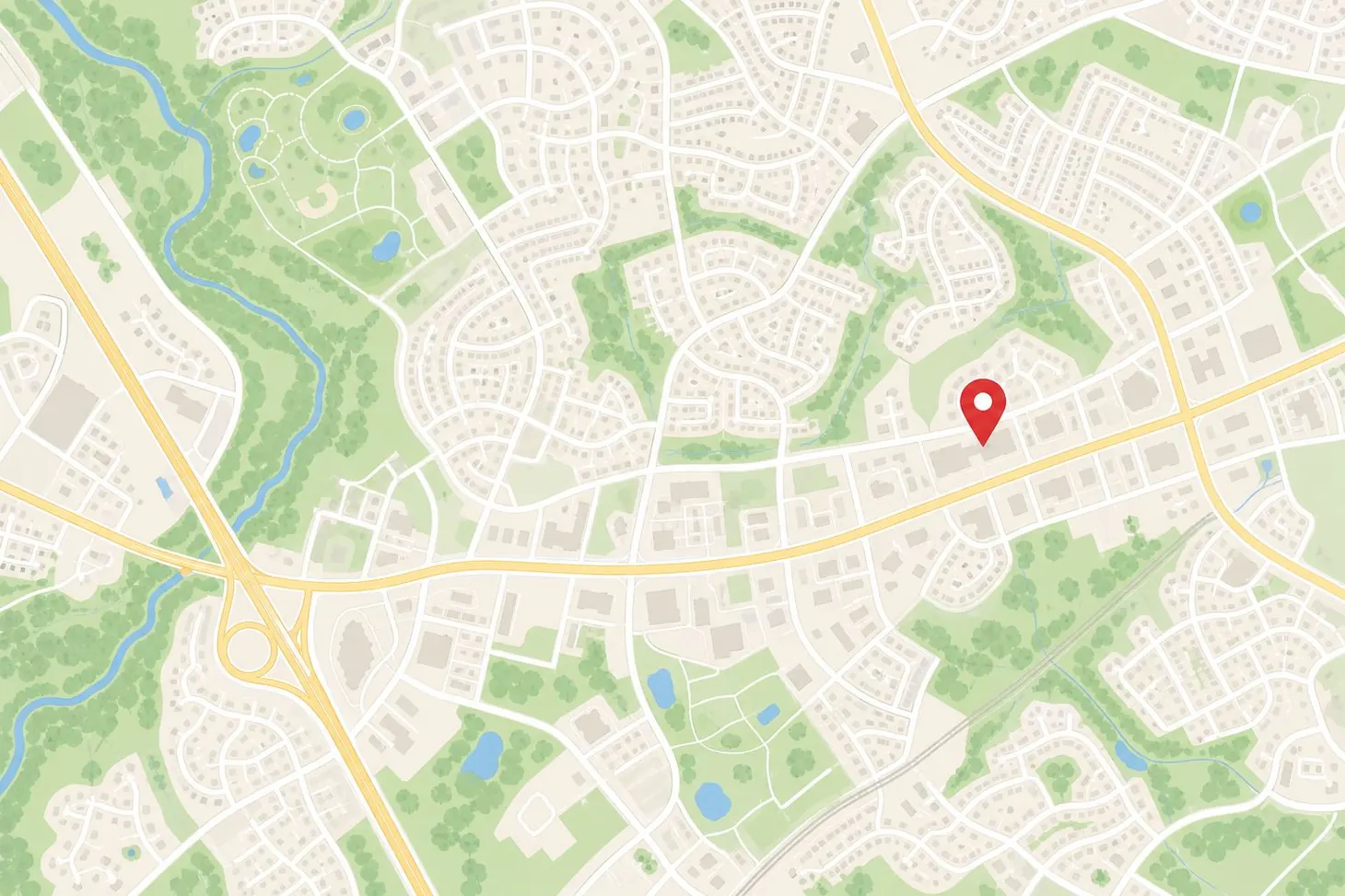
6028 WORTH PKWY STE 101, SAN ANTONIO, TX 78257-5071, United States
Hi! I'm Tooth fairy! Your AI Assistant Ask me anything