Many people feel a sharp toothache or dental pain when they eat. This pain can make chewing hard. The question means they want quick answers and real fixes.
A deep cavity or a cracked tooth often causes bite sensitivity. Gum disease, a dental abscess, or a high filling can also cause pain. Here you will know the common causes like cavities, cracked teeth, tooth decay, and teeth grinding.
Tooth pain can stem from various issues that affect oral health. Many people experience discomfort due to problems like a cracked tooth or a deep cavity.
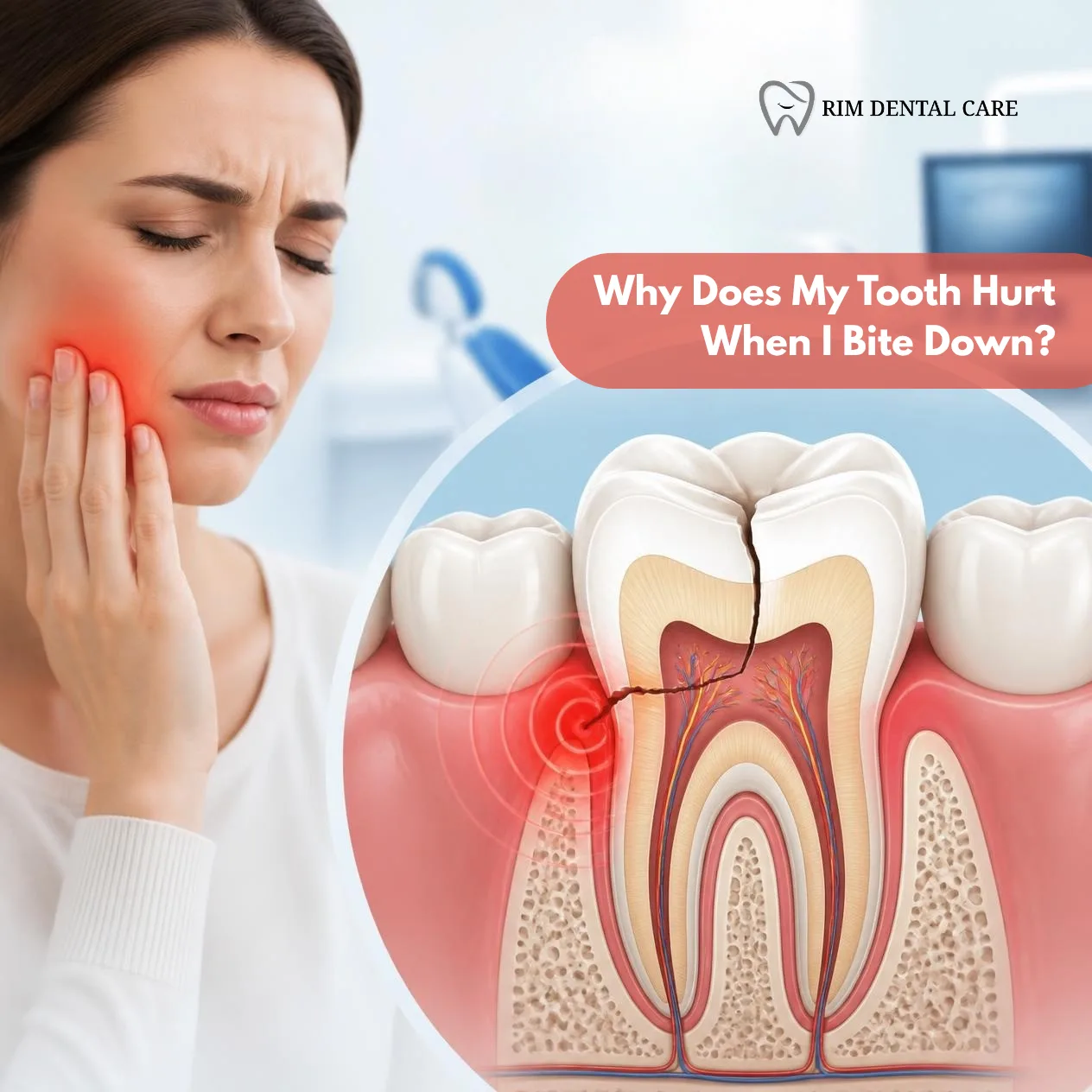
A cracked tooth often causes sharp pain when biting down. This type of dental pain can make eating uncomfortable. Tiny cracks may develop in teeth, creating significant sensitivity that X-rays might not reveal.
Cracked teeth occur for various reasons, including tooth grinding and trauma. The damage can expose nerves, leading to increased discomfort.
Pain can also result from a loose filling or other damaged dental work. It is essential to address these issues quickly to prevent further complications, such as infections or decay. Seeking a dental examination helps identify the problem and find an appropriate treatment plan for relief and improved oral health.
A deep cavity often causes sharp tooth pain when biting down. This problem occurs as decay progresses and damages the enamel, eventually reaching the inner layers of the tooth. Pain may intensify whenever pressure is applied while chewing or even during simple actions like biting into an apple.
The infection connected to a deep cavity can also lead to throbbing discomfort. Individuals who have this issue might experience sensitivity to hot or cold foods. Ignoring these symptoms can worsen the condition, making dental treatment necessary for relief and restoration.
A high dental filling or crown can cause noticeable pain when biting down. When the filling or crown sits too high on the tooth, it puts extra pressure on surrounding teeth and gums.
This discomfort often feels sharp and immediate as one bites into food. Also, a loose filling may create similar issues by allowing movement during chewing, adding to the discomfort.
Tiny cracks in teeth can also worsen sensitivity. Tooth grinding further complicates this issue by developing new cracks over time. Proper evaluation from a dentist is essential to address these problems effectively. Understanding these factors can guide individuals toward relief from their tooth pain when biting down.
Dental abscesses and infections can cause intense tooth pain, especially when biting down. An infection in the tooth may spread from a deep cavity or a cracked tooth. This condition leads to inflammation and pressure that makes chewing difficult. Pain often sharpens as food contacts the affected area.
Tooth sensitivity increases when an abscess is present. The discomfort may feel like a throbbing ache. In these cases, seeking dental help becomes crucial for treatment. Antibiotics and procedures like root canals may be necessary to heal the infection and relieve pain effectively.
Gum disease and gum recession can lead to significant discomfort when biting down. Inflammation from gum disease irritates the gums, causing pain during pressure on teeth. As the gums pull back, they expose sensitive tooth roots. This exposure often increases sensitivity and leads to more pain.
Individuals may find that a cracked tooth or cavities worsen their symptoms when coupled with gum issues. Tooth grinding can also contribute to these problems by causing additional damage or cracks in teeth. Addressing both gum health and any existing dental concerns is crucial for comfort while eating.
Sinus pressure can lead to tooth pain, especially in the upper teeth. This discomfort often feels like a toothache but actually stems from sinus inflammation or infection. Pressure builds up in the sinuses, causing pain that mimics dental issues. Tooth sensitivity increases when this pressure affects the nerves around the roots of teeth.
Jaw pressure may also cause similar sensations. Stress and tension can lead to jaw clenching or grinding. As a result, tiny cracks develop in teeth over time, creating painful responses when biting down on food.
In both cases, individuals should be aware of their symptoms and seek help if necessary for proper diagnosis and treatment options related to toothaches and infections.
When tooth pain occurs while biting down, seeking dental help is crucial. At home, people can try over-the-counter pain relievers and avoid hard foods to ease discomfort.
Tooth pain during biting can signal a serious issue. A cracked tooth often causes sharp discomfort when pressure applies. Deep cavities also lead to intense dental pain while enjoying food.
If the filling or crown feels high, it may trigger unwanted sensitivity with each bite. Loose fillings may create similar problems. An infection in the tooth can result in a throbbing ache as well.
Seeking professional help becomes necessary if the pain does not fade within a few days. Gum disease, which brings inflammation and tenderness, requires attention from a dentist quickly. If pain occurs alongside swelling or fever, urgent care is essential to prevent complications from an untreated dental infection.
After considering when to see a dentist, some steps at home can help manage discomfort from tooth pain. Over-the-counter pain relievers provide quick relief for dental pain. These medications can ease the sharp sensations that come with biting down on food.
Warm saltwater rinses help reduce inflammation and may soothe gum disease symptoms. A mixture of warm water and salt promotes healing in the mouth. Applying a cold pack to the outside of the cheek reduces swelling and numbs the area around a sensitive tooth. This method works well if an infection or crack causes discomfort.
Avoiding hard foods allows time for any damage to settle down while also providing comfort during recovery. Regular oral hygiene practices like gentle brushing and flossing are essential in preventing further issues, such as cavities or gum problems.
Tooth pain from biting down can often stem from various issues. A dentist may establish the best course of action, which might include filling cavities or replacing a cracked tooth.
If a dental abscess is present, antibiotics could be necessary to treat the infection. For those with high fillings or crowns, adjusting their height can relieve pressure during chewing.
At-home remedies also help manage discomfort until professional care is available. Over-the-counter pain relievers provide temporary relief for sharp dental pain. Applying ice packs outside the cheek can reduce swelling and numb painful areas.
To prevent future problems, maintaining good oral hygiene is essential; regular brushing and flossing keep gums healthy and free from disease. Avoiding teeth grinding through mouthguards or stress-relief techniques helps protect against cracks that cause sensitivity or significant pain when biting down on food.
A toothache when you bite often means a cavity or a crack. Pressure moves fluid in the tooth and changes nerve signals. That change causes dental pain. See a dentist if the pain stays or gets worse.
Yes. A cavity can reach the inner tooth and make the nerve sensitive. That sensitivity creates dental pain when you chew. Treating the cavity can stop the toothache.
Yes. A crack lets pressure reach the inside of the tooth. You may feel sharp pain or a quick ache when you bite. A dentist can repair or protect the tooth.
See a dentist right away if the pain is strong, lasts more than a day, or comes with swelling or fever. Quick care can stop a cavity from getting worse and ease dental pain.
Tell us a little about what you need — we'll be in touch shortly.
6028 WORTH PKWY STE 101, SAN ANTONIO, TX 78257-5071, United States
Hi! I'm Tooth fairy! Your AI Assistant Ask me anything